
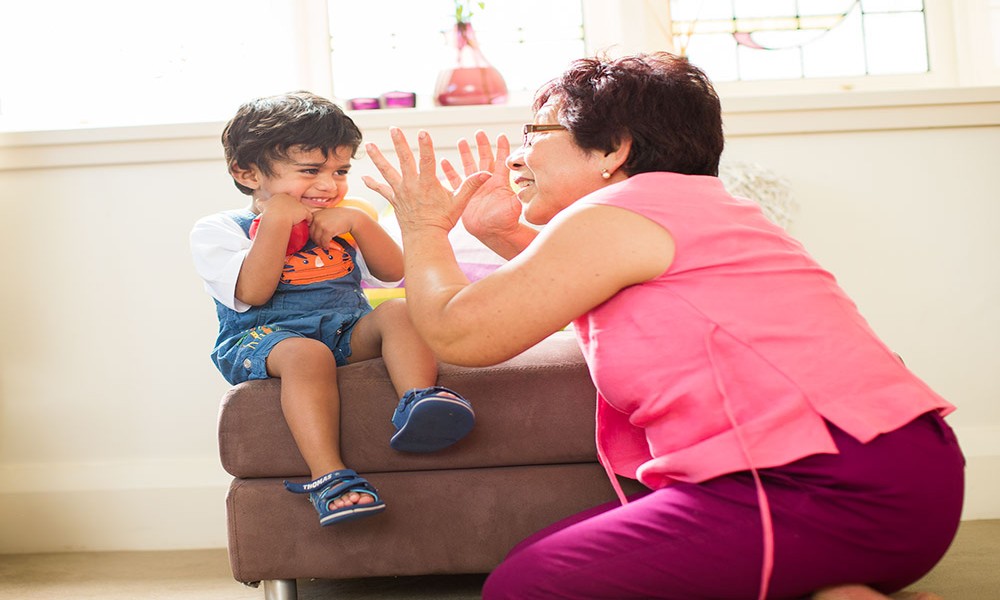

The first three years of a youngster’s life are a period of incredible growth for talking and understanding. During this time, a child’s brain is especially ready to learn these vital skills.
While every little one follows their own path, there is a predictable sequence most travel. This natural progression provides a helpful map for parents and carers.
This comprehensive guide offers essential information for families. It aims to demystify the journey from a baby’s first sounds to a toddler’s complex sentences.
Many guardians have questions about their child’s progress. Recognising typical patterns helps to create realistic expectations. It also allows for the timely identification of any slower progression.
Drawing from clinical expertise, the resource provides evidence-based guidance. The goal is to empower families to actively nurture their little one’s abilities.
Communication is more than just spoken words. It includes gestures, facial expressions, and a baby’s foundational coos. All these elements build the groundwork for future interaction.
Key Takeaways
- The initial three years represent the most intensive period for acquiring speech and language skills.
- Youngsters follow a natural progression, but individual rates of development vary widely.
- Understanding expected milestones helps identify when additional help may be valuable.
- Early identification and appropriate support significantly improve long-term communication outcomes.
- Communication growth encompasses non-verbal cues like understanding, gestures, and expression.
- This guide provides evidence-based knowledge to assist parents and carers.
- Active family involvement is crucial for fostering a child’s communication skills.
Understanding Early Language Development Milestones and Speech Delay Support
Human communication finds its roots in the simple, instinctive noises a newborn makes. This journey begins not with words, but with listening and reactive behaviour.
Caregivers witness the building blocks of interaction from day one.
The Natural Progression of Speech and Language in Infancy
From birth, an infant’s repertoire includes cries, gurgles, and contented sighs. These are not random.
They represent vital practice for the vocal cords and breath control. Around two to four months, these reflexes often evolve into deliberate cooing.
Comprehension significantly outpaces spoken output. A young child starts absorbing the melody and rhythm of conversation long before joining in.
Recognising Early Communication Signals
The first meaningful signal is learning a cry brings comfort. This establishes a powerful cause-and-effect loop.
Infants show they recognise a familiar voice by calming or turning their head. Their hearing is constantly analysing the soundscape.
By about six months, many babies distinguish the basic sounds of their home tongue. They also start to grasp that their own vocalisations can prompt a reply.
Key Speech Language Development Stages in Early Childhood
Watching an infant’s random sounds gradually crystallise into recognisable vocabulary represents one of childhood’s most captivating transitions. This progression follows observable patterns that help families understand their little one’s journey.
From Babbling to Meaningful Words
Around six to nine months, babies experiment with repetitive sound patterns. They combine vowels with consonants, creating sequences like “mama” or “dada.”
Initially, these vocalisations lack specific meaning. They simply represent playful exploration of the mouth’s capabilities.
Comprehension typically arrives before production. A youngster often understands many terms months before speaking them clearly.
Milestone Timetables and Variations
Between twelve and eighteen months, most children use a handful of clear words. These usually include names for caregivers and familiar objects.
Significant individual variation exists. Some youngsters speak their first term at ten months, while others may wait until sixteen.
Gestures form a crucial part of communication before verbal mastery. Pointing, waving, and nodding demonstrate clear intent.
By around two years, vocabulary often expands dramatically. Many toddlers combine two words into simple phrases like “all gone.”
Unclear pronunciation remains completely normal during this phase. Clarity improves gradually as oral motor skills mature.
Activity and Interaction Strategies for Language Growth
For young children, the line between learning and playing is beautifully blurred. Everyday fun builds crucial skills.
Parents can weave language-rich interactions into normal routines. Narrate actions during nappy changes or meals. This exposes a youngster to vocabulary and conversation rhythm.
Play-Based Techniques and Engagement
Interactive play with toys and everyday objects teaches new words in context. Name items like ‘car’ or ‘ball’. Describe actions like ‘building a tall tower’.
Sound games boost awareness. Point out the doorbell or a telephone ring. Encourage a baby to locate where sounds come from.
Turn-taking games, like rolling a ball, teach fundamental conversation skills. They practice waiting and responding.
Using Nursery Rhymes, Songs, and Storytime
Nursery rhymes and songs are exceptional tools. Their repetitive, rhythmic patterns help children remember words.
Action rhymes link movement with meaning. Songs like ‘Heads, Shoulders, Knees and Toes’ reinforce body part vocabulary.
Shared book reading offers rich information. Point to pictures and name them. This builds a positive link between images and words.
| Activity Type | Primary Goal | Simple Example |
|---|---|---|
| Descriptive Play | Expand vocabulary & introduce concepts | Say “Your juice is cold” or “The teddy is soft”. |
| Sound Identification | Develop listening & link sounds to objects | Ask “What’s that sound?” when the doorbell rings. |
| Interactive Turn-Taking | Teach conversation fundamentals | Roll a ball back and forth, saying “My turn, your turn”. |
| Action Songs & Rhymes | Combine movement with word recall | Sing ‘The Wheels on the Bus’ and do the actions together. |
Create chances for a child to use their voice. Wait expectantly after asking a question. Respond warmly to all their attempts to communicate.
Expert Insights: Chattertots Speech Therapy Approach to Communication Development
Navigating concerns about a youngster’s communication progress often leads parents to seek expert evaluation. Understanding the difference between a speech disorder and a language disorder is crucial.
A speech disorder affects how sounds are made. A language disorder impacts understanding or sharing thoughts.
Professional Advice on Overcoming Speech Delays
Speech-language pathologists are health professionals who assess and treat these challenges. They use special tests to evaluate a child’s abilities.
A hearing check is vital. Even mild hearing loss can affect speech language development.
Chattertots approaches each child holistically. They consider the whole picture, not just the speech language skills.
| Type of Difficulty | Primary Area Affected | Common Examples |
|---|---|---|
| Speech Disorder | Production of sounds and clarity | Apraxia of speech, stuttering, articulation errors |
| Language Disorder | Comprehension and use of words | Developmental language disorder (DLD), limited vocabulary |
Parents should ask questions if worried. Signs include very few words, frustration, or missing milestones.
Early help leads to better outcomes. Professionals provide strategies for home practice.
Parental Role and Support Networks
Families play a central role in nurturing a child’s ability to communicate, acting as both teachers and cheerleaders. Daily routines offer perfect moments for learning. Responsive chats during nappy changes or meals build crucial skills.
Building a strong network helps carers feel less alone. It connects them with health professionals and other parents. Chattertots Speech Therapy provides families with clear information and practical strategies.
Community Resources and Tips from Chattertots
Local services offer valuable support and social chances for youngsters. Libraries often host storytime sessions. Children’s centres run parent-toddler groups where kids can play.
Chattertots emphasises following a child’s interests. When a youngster focuses on certain toys or objects, that’s the best time to introduce new words. Expanding on what they say makes learning natural.
| Resource Type | Primary Benefit | Practical Example |
|---|---|---|
| Library Storytime | Exposure to books, songs, and social interaction | Weekly sessions with nursery rhymes and picture books |
| Health Visitor Services | Developmental monitoring and parental guidance | Regular check-ups including hearing assessments |
| Parent Support Groups | Shared experiences and emotional support | Local meetings or online forums for exchanging tips |
| Children’s Centre Activities | Structured play in a language-rich setting | Play sessions focusing on turn-taking and new sounds |
Parents should keep expectations realistic while celebrating all progress. Comparing children can create unnecessary worry. Most importantly, have fun together during these activities.
Conclusion
The path from a baby’s first coo to a child’s complex sentences is a journey of remarkable growth. The initial three years are the most intensive for acquiring speech language abilities.
Children follow a natural progression, though timing varies. Recognising this helps families create realistic expectations.
Skills emerge best through responsive, engaging interactions. Simple activities like sharing books or singing provide rich language input.
Whilst milestones offer guideposts, noting a significant delay enables timely support. Early help yields favourable outcomes.
In end, combining knowledge with practical strategies empowers parents. They become confident partners in nurturing their youngster’s communication journey.
FAQ
What are the typical communication milestones for a baby’s first year?
When should a parent be concerned about a potential speech or language delay?
How can daily activities at home support a child’s communication skills?
What is the role of a speech and language therapist in addressing delays?
Can hearing issues affect how a child learns to talk?
Where can parents find additional support and resources?
