
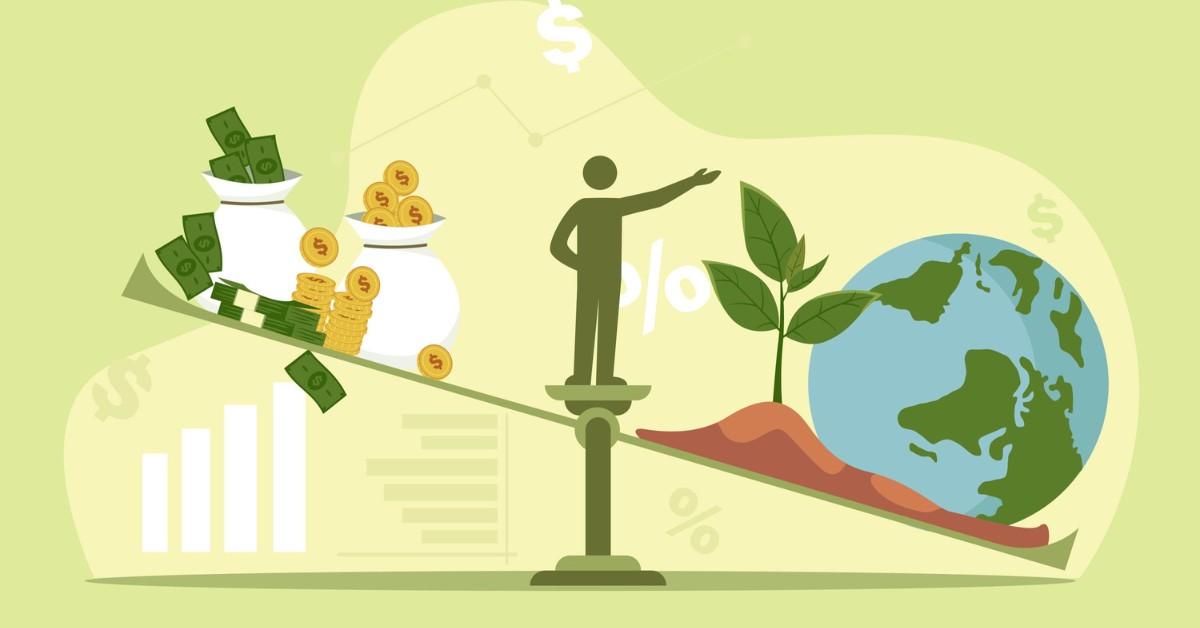

In the face of escalating climate change, organizations across the globe are under increasing pressure to measure, manage, and reduce their greenhouse gas (GHG) emissions. As governments, investors, and consumers demand greater transparency and accountability, the need for skilled professionals who can accurately track and report carbon emissions has never been higher. This growing demand has led to a surge in interest in Greenhouse Gas Accounting Courses—structured training programs designed to equip individuals with the technical knowledge and practical skills required to quantify and manage emissions across industries.
Whether you’re an environmental professional, sustainability officer, corporate strategist, or someone passionate about climate action, enrolling in a greenhouse gas accounting course can be a transformative step in your career and in the global effort to combat climate change.
What Is Greenhouse Gas Accounting?
Greenhouse gas accounting, also known as carbon accounting, is the systematic process of measuring the amount of greenhouse gases emitted by an organization, product, project, or country. These gases—primarily carbon dioxide (CO₂), methane (CH₄), nitrous oxide (N₂O), and fluorinated gases—contribute to global warming and climate change. Accurate accounting allows entities to understand their environmental impact, set reduction targets, comply with regulations, and communicate progress to stakeholders.
The foundation of GHG accounting lies in internationally recognized standards such as the Greenhouse Gas Protocol, developed by the World Resources Institute (WRI) and the World Business Council for Sustainable Development (WBCSD). This framework categorizes emissions into three scopes:
- Scope 1: Direct emissions from owned or controlled sources (e.g., company vehicles, on-site fuel combustion).
- Scope 2: Indirect emissions from the generation of purchased electricity, heat, or steam.
- Scope 3: All other indirect emissions occurring in the value chain (e.g., employee commuting, business travel, supply chain, waste disposal).
Understanding these scopes and accurately calculating emissions is the cornerstone of effective climate strategy—making GHG accounting a critical skill in today’s sustainability landscape.
Why Enroll in a Greenhouse Gas Accounting Course?
As climate commitments become central to corporate strategy and regulatory compliance, the demand for professionals with GHG accounting expertise is rapidly increasing. Here are several compelling reasons to consider taking a greenhouse gas accounting course:
1. Career Advancement and Marketability
Sustainability roles are among the fastest-growing job categories worldwide. According to the World Economic Forum, green jobs are expected to increase significantly over the next decade. Professionals with GHG accounting skills are highly sought after in sectors such as energy, manufacturing, finance, consulting, and government. Completing a recognized course enhances your resume and positions you as a qualified expert in environmental reporting and compliance.
2. Support for Corporate Sustainability Goals
Many companies have pledged to achieve net-zero emissions by 2050 or earlier. To meet these goals, they need accurate baseline data and ongoing monitoring. By mastering GHG accounting, you can help organizations set science-based targets, track progress, and report transparently—key steps in building credibility with investors and customers.
3. Regulatory and Compliance Readiness
Governments around the world are introducing mandatory climate disclosure requirements. For example, the European Union’s Corporate Sustainability Reporting Directive (CSRD) and the U.S. Securities and Exchange Commission’s (SEC) proposed climate disclosure rules require companies to report their emissions. A GHG accounting course prepares you to navigate these evolving regulations and ensure compliance.
4. Contribution to Climate Action
On a personal level, learning how to measure and reduce emissions empowers you to contribute meaningfully to the fight against climate change. Whether working for a multinational corporation or a local NGO, your expertise can drive real-world impact by identifying emission hotspots and recommending effective reduction strategies.
5. Global Standardization and Credibility
Courses based on the Greenhouse Gas Protocol and ISO 14064 standards ensure that your knowledge is aligned with globally accepted methodologies. This standardization enhances the credibility of your work and facilitates international collaboration.
What to Expect from a Greenhouse Gas Accounting Course
A high-quality greenhouse gas accounting course should provide a comprehensive, hands-on learning experience that blends theory with practical application. While course formats vary (online, in-person, self-paced, or instructor-led), most reputable programs cover the following core topics:
1. Introduction to Climate Change and GHG Science
Courses typically begin with an overview of climate science, the greenhouse effect, and the role of human activities in driving emissions. You’ll learn about key gases, their global warming potentials (GWP), and the sources of emissions across different sectors.
2. The Greenhouse Gas Protocol Framework
This is the heart of any GHG accounting program. You’ll dive deep into the three scopes of emissions, organizational and operational boundaries, and the principles of relevance, completeness, consistency, transparency, and accuracy.
3. Data Collection and Emission Calculation
You’ll learn how to identify emission sources, collect activity data (e.g., fuel consumption, electricity usage), and apply emission factors to calculate CO₂ equivalents. Practical exercises often include using spreadsheets or specialized software to perform calculations for real-world scenarios.
4. Scope 3 Emissions and Value Chain Analysis
Scope 3 accounting is often the most complex due to the breadth of sources involved. A good course will guide you through category-by-category analysis, data collection strategies, and estimation techniques when primary data is unavailable.
5. Verification and Assurance
Understanding how emissions data is verified by third parties is crucial for credibility. Courses may cover the basics of GHG verification, including documentation, audit trails, and common pitfalls.
6. Reporting and Disclosure
You’ll learn how to prepare GHG inventories for internal use and external reporting. This includes aligning with frameworks such as CDP (formerly Carbon Disclosure Project), the Task Force on Climate-related Financial Disclosures (TCFD), and sustainability reports.
7. Carbon Reduction Strategies and Offsetting
Beyond measurement, many courses introduce mitigation strategies, such as energy efficiency, renewable energy adoption, and carbon offsetting. You’ll explore the role of carbon credits and the importance of additionality and permanence in offset projects.
8. Case Studies and Industry Applications
Real-world examples from industries like manufacturing, transportation, and agriculture help contextualize the material and demonstrate best practices.
Who Should Take a Greenhouse Gas Accounting Course?
Greenhouse gas accounting is not limited to environmental scientists. The skills are relevant across a wide range of roles and industries:
- Sustainability Managers looking to develop or improve corporate carbon reporting.
- Environmental Consultants who advise clients on compliance and sustainability strategy.
- Corporate Executives and CSR Professionals responsible for ESG (Environmental, Social, and Governance) initiatives.
- Engineers and Facility Managers tasked with reducing operational emissions.
- Finance and Risk Analysts assessing climate-related financial risks.
- Government and Policy Makers involved in climate regulation and urban planning.
- Students and Career Changers seeking to enter the growing field of sustainability.
No prior technical background is usually required, though familiarity with environmental issues or data analysis can be helpful. Most courses are designed to be accessible to beginners while offering depth for more experienced professionals.
Top Providers of Greenhouse Gas Accounting Courses
Several reputable institutions and organizations offer high-quality GHG accounting training. Here are some of the most recognized providers:
1. GHG Protocol (World Resources Institute)
The creators of the Greenhouse Gas Protocol offer free and paid online courses, including the popular “Introduction to the Greenhouse Gas Protocol”. These self-paced courses are ideal for beginners and include quizzes and downloadable resources.
2. Verra (formerly VCS)
Verra offers training on carbon accounting for project developers, including methodologies for generating carbon credits under the Verified Carbon Standard (VCS).
3. The Carbon Institute
This global nonprofit provides comprehensive, university-level courses such as “GHG Management: Quantification, Reporting, and Verification”. Their programs are rigorous and often used by professionals seeking certification.
4. edX and Coursera
Platforms like edX (in partnership with institutions like the University of Cambridge) and Coursera (offering courses from universities and companies) host a variety of climate and sustainability courses, including GHG accounting modules.
5. American Carbon Registry (ACR) and Climate Action Reserve (CAR)
These registries offer technical training for professionals involved in carbon market projects and compliance reporting.
6. Professional Associations
Organizations like the International Emissions Trading Association (IETA) and the Association of Climate Change Officers (ACCO) provide training and certification programs for carbon professionals.
Certification and Professional Recognition
While not all courses offer formal certification, completing a recognized program can significantly boost your professional credibility. Look for courses that provide:
- Certificates of Completion from reputable institutions.
- Preparation for Professional Certifications such as the Certified Carbon Practitioner (CCP) or the ACCO’s Climate Change Professional (CC-P) designation.
- Continuing Education Units (CEUs) for professionals needing to maintain licenses.
Certification demonstrates your commitment to excellence and can open doors to consulting opportunities, leadership roles, and international projects.
How to Choose the Right Course
With so many options available, selecting the right greenhouse gas accounting course depends on your goals, experience level, and budget. Consider the following factors:
- Curriculum Depth: Does the course cover all three scopes, verification, and reporting?
- Instructor Expertise: Are the instructors recognized experts in the field?
- Format and Flexibility: Is it self-paced, live online, or in-person? Does it fit your schedule?
- Cost: Prices range from free (e.g., GHG Protocol basics) to several thousand dollars for advanced certifications.
- Accreditation: Is the course affiliated with a trusted organization or academic institution?
- Hands-On Learning: Does it include case studies, exercises, or software training?
For most learners, starting with a foundational course (like the GHG Protocol’s free offering) before progressing to advanced or specialized training is a smart approach.
The Future of Greenhouse Gas Accounting
As climate accountability becomes a business imperative, GHG accounting will continue to evolve. Emerging trends include:
- Digitalization and AI: Tools like AI-powered carbon management platforms are streamlining data collection and reporting.
- Mandatory Disclosures: More countries are moving toward mandatory GHG reporting for large companies.
- Supply Chain Transparency: Scope 3 accounting will become increasingly important as companies seek to decarbonize their value chains.
- Integration with ESG and Financial Reporting: GHG data is being incorporated into financial statements and investor communications.
Professionals who stay ahead of these trends by continuously updating their skills will be well-positioned for leadership roles in the sustainability revolution.
Conclusion: Take the First Step Toward a Sustainable Future
A greenhouse gas accounting course is more than just a professional development opportunity—it’s a gateway to meaningful climate action. By learning how to measure and manage emissions, you gain the tools to help organizations reduce their environmental footprint, comply with regulations, and build a more sustainable future.
Whether you’re looking to advance your career, support your organization’s sustainability goals, or contribute to global climate efforts, investing in GHG accounting education is a powerful and timely decision. With a variety of accessible, high-quality courses available, there’s never been a better time to become a leader in the field of carbon management.
Enroll in a greenhouse gas accounting course today—and become a key player in the transition to a low-carbon world.
