
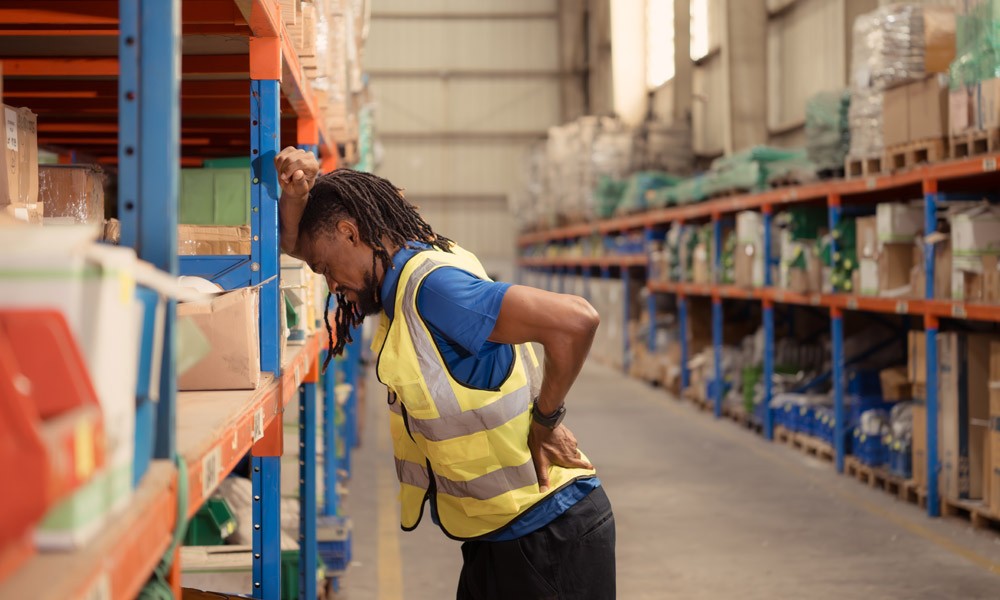

Manual handling injuries remain one of the leading causes of workplace absence, making manual handling risk assessment a legal and practical priority for every employer. Manual handling legislation requires businesses to identify, evaluate, and reduce risks linked to lifting, carrying, pushing, or pulling loads. Understanding manual handling weight limits and assessment procedures helps protect workers from musculoskeletal disorders while keeping organisations compliant. This guide explains the legal framework, practical steps, and common pitfalls businesses face when managing manual handling risks.
Quick Answer
A manual handling risk assessment is a structured evaluation of tasks involving lifting, carrying, or moving loads, used to identify hazards and implement controls. Key facts: assessments consider load, task, environment, and individual capability. Benefits include reduced injury rates, legal compliance, and lower absenteeism. It matters because manual handling injuries account for a significant share of workplace incidents across sectors.
Understanding Manual Handling Legislation
Manual handling risk legislation sets out employer duties to avoid hazardous manual handling where possible, and to assess and reduce risk where it cannot be avoided. It applies across industries including healthcare, construction, warehousing, and retail.
The legislation works by requiring employers to apply a hierarchy of controls: eliminate the task, mechanise it, or reduce risk through training, equipment, and safe systems of work. Risk assessments must consider the load itself, the task being performed, the working environment, and the capabilities of the individual worker.
This matters because musculoskeletal disorders linked to manual handling are among the most commonly reported occupational health issues. For industries reliant on physical labour, compliance isn’t just a legal obligation but a core part of operational safety culture.
- Reduces injury rates: Identifying hazards before tasks begin allows employers to implement controls, lowering the likelihood of strains, sprains, and long-term musculoskeletal damage.
- Improves legal compliance: Documented assessments demonstrate that an employer has taken reasonable steps to meet statutory duties, reducing liability exposure.
- Lowers absenteeism and costs: Fewer injuries mean fewer lost workdays, reduced insurance claims, and lower replacement staffing costs.
- Increases productivity: Properly assessed tasks often lead to redesigned workflows, better equipment use, and more efficient operations.
- Boosts staff morale and retention: Workers who feel protected are more likely to stay, reducing turnover and recruitment costs.
- Supports informed training: Assessments highlight specific risks, allowing targeted training rather than generic instruction.
- Enables better equipment investment decisions: Data from assessments helps prioritise purchases of trolleys, hoists, or adjustable workstations where they’re most needed.
Step-by-Step Process
- Identify hazardous manual handling tasks: Review job roles and workflows to pinpoint tasks involving lifting, lowering, pushing, pulling, or carrying.
- Assess the load, task, environment, and individual: Evaluate weight, shape, and stability of loads; repetitive movements; floor conditions, space, and lighting; and the physical capability of the worker.
- Determine if the task can be avoided or mechanised: Consider whether automation, lifting aids, or redesigned processes can eliminate the need for manual handling.
- Implement control measures: Introduce equipment, adjust workstation heights, rotate tasks, or provide team lifting where elimination isn’t possible.
- Review and update assessments regularly: Reassess after incidents, process changes, or at scheduled intervals to ensure controls remain effective.
Important Statistics and Industry Insights
Manual handling injuries continue to represent a substantial proportion of workplace injury claims across Europe, particularly in sectors such as healthcare, logistics, and construction. There is growing adoption of wearable sensors and ergonomic monitoring tools to flag risky postures in real time. Many organisations are also investing in mechanical aids such as hoists, trolleys, and conveyor systems to reduce reliance on manual lifting. Awareness campaigns and refresher training have become more frequent as employers recognise that one-off training sessions are insufficient for long-term behaviour change.
Common Mistakes to Avoid
- Treating risk assessments as a one-time exercise: Tasks and environments change, so assessments become outdated. Review them periodically and after any significant change.
- Relying on generic weight limit guidance without context: A single number doesn’t account for posture, frequency, or individual capability. Assess each task holistically.
- Failing to involve workers in the assessment process: Employees performing tasks daily often spot hazards that managers miss. Consult them directly.
- Providing training without addressing root causes: Training alone won’t fix poor task design or inadequate equipment. Combine training with practical controls.
- Ignoring individual differences: Age, health conditions, and experience affect capability. Assessments should not assume uniform worker capacity.
Expert Recommendations
Adopt the hierarchy of controls as a default approach: avoid, then mechanise, then reduce risk. Keep written records of assessments and reviews to demonstrate ongoing compliance. Involve frontline staff in identifying hazards, as their practical experience often reveals issues not visible in formal audits. Schedule refresher training periodically rather than relying on induction-only sessions, and prioritise equipment investment based on assessment findings rather than assumptions.
Frequently Asked Questions
What is a manual handling risk assessment?
It’s a structured process to identify and evaluate risks from lifting, carrying, or moving loads, followed by implementing measures to reduce those risks.
Are there legal weight limits for manual handling?
There isn’t a single legal maximum weight; instead, guidance considers the task, load, environment, and individual together to determine safe handling.
Who is responsible for conducting risk assessments?
Employers are primarily responsible, though competent persons within the organisation often carry out the practical assessment.
How often should assessments be reviewed?
Assessments should be reviewed periodically, after incidents, or whenever tasks, equipment, or environments change significantly.
Does manual handling legislation apply to all industries?
Yes, it applies wherever manual handling tasks occur, though risk levels and typical hazards vary by sector.
Can mechanical aids fully eliminate manual handling risk?
They significantly reduce risk but may not eliminate it entirely; ongoing assessment remains necessary.
What factors affect how much weight someone can safely lift?
Posture, lifting frequency, load shape and stability, distance carried, and individual physical capability all play a role.
Is training alone sufficient for compliance?
No, training should be combined with task redesign, equipment provision, and ongoing monitoring.
What records should employers keep?
Documented risk assessments, review dates, identified hazards, and implemented control measures.
Where can employers get guidance on manual handling assessments?
Recognised occupational health and safety authorities provide assessment frameworks and practical guidance for employers.
Conclusion
Manual handling risk assessment is a continuous, legally required process that protects workers and supports operational efficiency. Rather than relying on fixed weight limits alone, employers should evaluate the full picture: task, load, environment, and individual. By applying the hierarchy of controls, involving staff, and reviewing assessments regularly, organisations can reduce injuries, improve compliance, and build a stronger safety culture going forward.
