
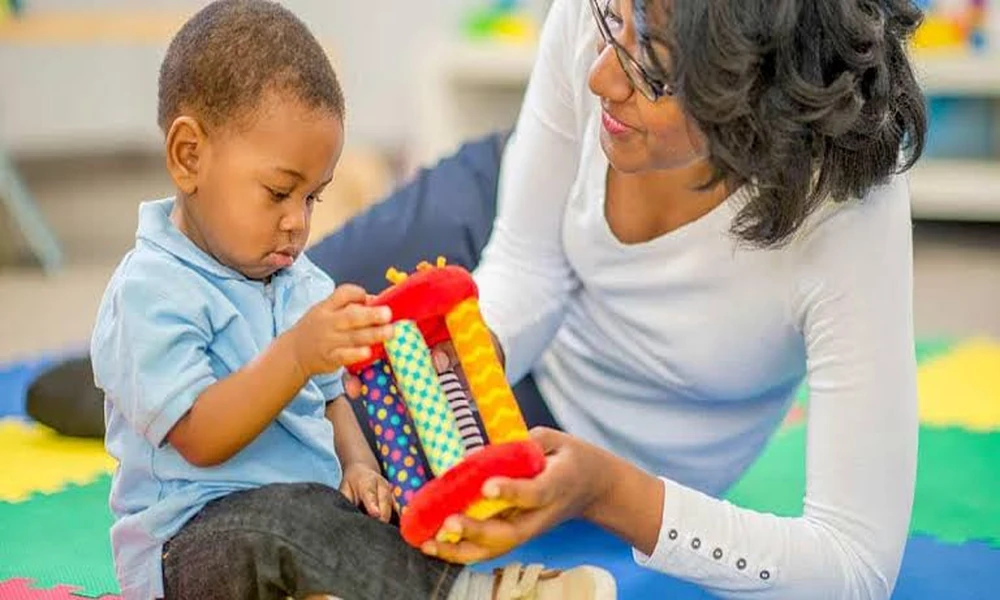

The first years of a child’s life are a period of remarkable growth and discovery. During this time, engaging with the world through touch, sight, sound, and movement forms the bedrock of future development.
Eilmar Montessori specialises in providing expert, modern care that supports this crucial phase. Their approach helps pupils thrive by creating environments rich with opportunity.
Structured play is a cornerstone of their method. It offers the necessary stimulation to develop essential neural pathways during a child’s formative years.
These hands-on experiences allow young ones to explore materials and textures confidently. This meaningful engagement builds a solid foundation for later learning.
Every task has a specific purpose in fostering growth. The focus is on how such play can enhance cognitive skills, emotional regulation, and academic readiness.
Parents and educators can utilise these resources to nurture curiosity. Creating a supportive setting is key to helping every child reach their potential.
Key Takeaways
- Eilmar Montessori delivers expert, contemporary care for foundational childhood development.
- Structured play stimulates crucial neural connections in the early years.
- Confidence and exploration are built through hands-on engagement with diverse materials.
- Purposeful sensory experiences are designed to boost cognitive development.
- These resources help adults create environments that foster curiosity and emotional skills.
- The overall aim is to support holistic growth and academic readiness in young learners.
Introduction to Sensory Learning in Early Childhood
From the very beginning, a child’s interaction with the world is a complex process of sensory integration. This process is fundamental to how they understand and navigate their surroundings.
Understanding Sensory Play
Sensory play refers to activities that engage one or more senses. Its primary purpose is to help the brain organise input from the body and environment.
This type of engagement is not merely about fun. It is a crucial mechanism for building neural connections that support future growth.
The Role of Early Experiences
Early and consistent experiences are vital. They shape the brain’s architecture during its most formative phase.
Research by Davis et al. (2017) indicates that early life exposure to consistent sensory signals is vital for forming neural pathways that support future cognitive performance.
These early encounters are critical for the prefrontal cortex. This brain region governs essential skills like attention, planning, and emotional control in young children.
| Aspect of Experience | Primary Benefit | Common Example |
|---|---|---|
| Tactile (Touch) | Builds neural pathways | Exploring textured fabrics |
| Auditory (Sound) | Supports language development | Listening to rhythmic music |
| Visual (Sight) | Enhances focus and tracking | Sorting objects by colour |
| Proprioceptive (Body Awareness) | Improves motor planning | Pushing or carrying heavy objects |
By providing a predictable and sensory-rich setting, caregivers help build a solid foundation. This supports successful development throughout a child’s early years.
The Importance of Sensory Play for Young Minds
Purposeful, sense-based engagement serves as a critical engine for developing young minds and bodies. This type of play is not just amusement. It is a structured method to build foundational abilities.
Impact on Brain Development
These experiences directly support the prefrontal cortex. This brain area manages attention and complex planning.
When a child figures out how to scoop sand or sort beads, they are problem-solving. This meaningful engagement forges vital neural pathways. These connections are the bedrock for future cognitive tasks.
Enhancement of Motor Skills
Physical coordination grows through hands-on manipulation. Lifting, pouring, and squeezing strengthen large muscles.
Refining the pincer grip to pick up small items is a fine motor skill. Repetitive, playful movement hones this coordination. It allows children to interact with their world more effectively.
Consistent sensory play builds both mental and physical motor skills. This practice fosters the confidence and independence needed for daily life.
Key Benefits of Sensory Learning Activities for Early Childhood
The core value of sensory-rich play lies in its ability to simultaneously strengthen cognitive, social, and emotional capacities. These interconnected advantages form a critical foundation for a child’s later development.
Cognitive and Social Development
Structured activities that engage the senses nurture a child’s thinking and interaction skills. When young children collaborate with peers during this type of play, they practise using descriptive language. This process organises their thoughts and builds vital neural connections.
Such collaborative tasks directly support cognitive growth. They also foster essential social skills like sharing and communication.
Emotional Regulation and Focus
Sense-based engagement is a powerful tool for managing feelings. It helps young children regulate their arousal levels, either calming or energising them as needed.
This improved emotional control allows pupils to reflect on their experiences. They learn to identify their feelings before, during, and after play.
By stabilising their internal state, these activities significantly enhance a child’s focus and attention span. This sustained concentration is crucial for engaging deeply with academic tasks in the classroom.
Top Sensory Play Ideas for Toddlers and Preschoolers
From themed bins to delightfully messy explorations, sensory-rich play offers toddlers and preschoolers a foundation for holistic growth. These engaging play ideas channel natural curiosity into meaningful skill development.
They provide structured yet open-ended avenues for discovery. This approach supports fine motor control, problem-solving, and creative thinking.
Interactive Sensory Bins
An interactive sensory bin is a contained world for hands-on investigation. Themed setups, like a farmyard or beach scene, spark imaginative storytelling.
Children strengthen their fingers by scooping rice or pouring water. Using tools like tongs and cups refines hand-eye coordination.
Safety is paramount. Caregivers should choose age-appropriate fillers.
| Popular Sensory Bin Setups Theme | Suggested Filler | Added Tools | Primary Skill |
|---|---|---|---|
| Farmyard | Dried maize, toy animals | Toy tractors, small buckets | Narrative play & fine motor |
| Beach Scene | Kinetic sand, smooth stones | Shells, sieves, spoons | Tactile exploration & pouring |
| Rainbow Colours | Coloured rice, pom-poms | Tweezers, colour sorting cups | Colour recognition & sorting |
These bins encourage independence. Youngsters lead their own discovery of material properties.
Messy and Tactile Experiences
Messy play is a vital, joyful part of development. It gives children endless ways to experiment with solutions.
Activities like finger painting or slime manipulation build creative thinking. They also teach cause and effect.
This type of engagement is wonderfully tactile. It helps regulate emotions and fosters a love for investigation.
Such sensory play ideas are simple to set up at home or nursery. They turn everyday materials into powerful tools for growth.
Enhancing Fine Motor Skills Through Sensory Experiences
Precision and control in hand movements form a critical foundation for many daily tasks. Targeted exercises help young children develop the fine motor skills needed for independence.
These experiences go beyond simple fun. They build the physical dexterity required for writing, using cutlery, and fastening buttons.
Hand-Eye Coordination Exercises
Specific tasks are excellent for linking vision with action. Threading beads onto a string or using tweezers to pick up small objects are prime examples.
Such exercises demand focus and a steady hand. They directly develop the motor skills and coordination necessary for future writing.
Cutting with safety scissors is another powerful activity. It builds hand strength, bilateral coordination, and concentration through play.
Creative Manipulative Play
Moulding materials like playdough offers a different path to strength. Children squeeze, roll, and shape it, which builds the small muscles in their hands and fingers.
This type of creative play allows for endless experimentation. It combines sensory input with physical response, refining control.
Consistent practice in these areas builds foundational fine motor skills. This strength supports a child’s confidence and readiness for more complex academic work.
Exploring the Eight Sensory Systems in Learning
Beyond the five classic senses, three additional systems provide crucial data about movement, position, and internal states. Together, these eight channels help a child participate confidently in school, play, and daily routines.
Understanding how they work allows educators to create balanced environments. This supports every pupil’s unique needs.
Tactile and Visual Stimulation
The tactile sense processes touch, while the visual system handles sight. These senses help children interpret their surroundings.
Visual skills are vital for tracking objects and memory. Tactile exploration builds neural pathways through hands-on discovery.
Auditory and Olfactory Engagement
Sound and smell are processed by the auditory and olfactory systems. These inputs are closely linked to memory and emotional responses.
Processing sounds and smells helps children connect experiences. This engagement supports focus during learning tasks.
| Sensory System | Primary Function | Example in Play |
|---|---|---|
| Visual | Processes light and images | Sorting coloured objects |
| Auditory | Processes sound | Identifying instrument tones |
| Tactile | Processes touch and texture | Exploring a feely bag |
| Gustatory | Processes taste | Trying safe, new foods |
| Olfactory | Processes smell | Matching scents to pictures |
| Vestibular | Manages balance and motion | Swinging or spinning safely |
| Proprioception | Senses body position | Pushing a weighted cart |
| Interoception | Senses internal states | Noticing hunger or calm |
Targeting specific senses through structured sensory play helps achieve optimal alertness. This ‘just-right’ state is key for participation in all learning activities.
Integrating Sensory Learning into Daily Routines
Transforming mundane activities into opportunities for discovery requires minimal adjustment but yields substantial benefits. The key lies in weaving exploratory moments seamlessly into a child’s regular schedule.
This approach turns everyday spaces into rich landscapes for growth. It helps young minds build connections through consistent, meaningful engagement.
Home and Classroom Strategies
Simple household items like trays and storage bins can create organised, clutter-free zones. Reducing visual distraction helps children maintain better focus during daily tasks.
Providing clear visual supports within this structured environment allows for independent exploration. Such autonomy helps pupils feel regulated and ready to engage with their surroundings.
Teachers can implement flexible seating options and designated quiet areas. These adaptations accommodate different needs, ensuring each child can participate fully in classroom activities.
By making these thoughtful adjustments to the environment, routine moments become powerful learning experiences. This integration supports holistic development through consistent, embedded play.
Creative DIY Sensory Projects for Young Children
Creating engaging, hands-on projects at home is a fantastic way to nurture a child’s development without straining the family budget. These DIY activities turn common household items into powerful tools for exploration.
They encourage curiosity and problem-solving from the very start. Best of all, they provide high-quality experiences without the need for expensive equipment.
Cost-Effective Sensory Bins and Bags
A simple sensory bin offers a contained world for discovery. Using a plastic storage box, caregivers can create themed landscapes with dried pasta, coloured rice, or water beads.
These bins help manage mess while giving children a dedicated space to explore. They are among the most versatile and popular play ideas for fostering independent investigation.
For a less messy option, try a sealed sensory bag. Fill a strong zip-top bag with hair gel and small toys, then tape it securely to a table. Children can push the items around, developing fine motor skills without any clean-up.
Homemade Playdough and Slime
Making your own materials is a rewarding sensory play activity in itself. A basic, non-cook playdough recipe is easy to follow and safe for little hands.
Combine one cup of plain flour, half a cup of salt, and two tablespoons of cream of tartar. Mix in warm water and a little vegetable oil until a soft dough forms.
Adding natural colouring or scents like lavender can enhance the experience. As children squeeze, roll, and shape the dough, they naturally build the language to describe its texture and properties.
Similarly, creating simple slime introduces new, fascinating consistencies. These hands-on ideas make everyday moments rich with potential for growth.
Age-Appropriate Sensory Activities and Play Setups
Tailoring play experiences to a child’s age ensures they are both safe and developmentally beneficial. Effective setups must align with a young one’s current abilities and interests.
Infant, Toddler and Preschool Focus
For infants, simple, repetitive sensory activities stimulate vision, hearing, and touch. High-contrast flashcards and soft fabric books with different textures are excellent examples.
Toddlers thrive with messier play that involves scooping, pouring, and squeezing. These tasks help refine their gross motor skills and coordination.
Preschoolers benefit from more structured, theme-based play that fosters cognitive development. Nature scavenger hunts or construction-themed trays encourage creativity and problem-solving.
Tailoring these sensory activities supports each child’s physical and emotional development. It ensures they stay engaged while building skills appropriate for their stage of growth.
Using Sensory Play to Support Academic Readiness
Academic readiness is more than knowing letters and numbers. It is underpinned by strong cognitive foundations developed through play. These foundational abilities are honed via engaging, hands-on tasks that feel like fun.
Development of Cognitive Skills
When children search for hidden items in a rice bin, they practise memory. They also devise simple strategies. This strategic thinking is a core cognitive skill.
Integrating movement with basic concepts supports pupils. For example, jumping next to numbered cards aids those who find seated work challenging. It makes learning dynamic and accessible.
Stimulating several senses at once strengthens neural pathways. This multi-sensory approach aids information retention in young learners.
| Activity Type | Primary Cognitive Skill | Example Setup | Link to Academic Readiness |
|---|---|---|---|
| Sensory Bin Search | Memory & Recall | Finding coloured shapes buried in sand | Supports following multi-step instructions |
| Attribute Sorting | Logic & Classification | Grouping buttons by size, colour, or shape | Builds foundations for maths and science |
| Movement-based Counting | Attention & Sequencing | Hopping on numbered spots in order | Enhances focus for literacy and numeracy tasks |
Ultimately, these purposeful sensory play experiences build confidence. They foster the sustained focus a child needs to transition successfully into formal schooling.
Classroom Applications of Sensory Learning Strategies
Applying multi-sensory methods in education helps bridge gaps for pupils with varying attention spans. These practical strategies move theory into daily practice, creating an inclusive environment where every child can engage.
This approach actively engages multiple neural systems at once. Doing so strengthens connections in the brain, providing firmer support for core academic learning.
Multi-Sensory Instructional Approaches
Teachers can make lessons more effective by incorporating touch and movement. For instance, tracing letters in sand or using textured cards helps children internalise letter shapes. Similarly, hopping to solve number problems turns maths into a dynamic game.
These activities are designed to help the brain interpret and respond to information more effectively. This process is essential for full participation in classroom tasks.
Embedding such strategies into daily routines supports the development of fine motor skills and emotional regulation. Consistency in this sensory-informed teaching ensures all pupils have the support they need to thrive.
Expert Sensory Play Strategies by Eilmar Montessori and Eilmar-led Insights
Eilmar Montessori champions a strategic, research-informed framework for engaging young minds through purposeful play. Their expert-led approach moves beyond simple amusement to create experiences that help organise a child’s nervous system for better daily function.
These methods are not random. They are intentionally designed sensory play strategies targeting specific developmental areas like attention, focus, and emotional regulation.
Innovative Approaches in Early Learning
Central to Eilmar-led insights is the prioritisation of each child’s individual sensory needs. This ensures maximum developmental impact from every task.
By following this guidance, educators can implement structured ‘sensory diets’. These are tailored sets of activities that support the unique requirements of their pupils.
This expert-led methodology ensures play remains a powerful tool. It consistently fosters curiosity, problem-solving, and deep engagement in learning environments.
Implementing Technology in Sensory Learning Environments
In today’s digital age, thoughtfully incorporating technology offers new dimensions to enrich developmental environments for young children. It provides supplementary pathways for stimulation that complement hands-on exploration.
When used with purpose, digital tools can enhance these spaces. They offer additional visual and auditory input that some pupils find particularly engaging.
Digital Tools and Interactive Media
Interactive media creates captivating tasks that help develop focus. Tablet apps with cause-and-effect games are a modern, digital-friendly way to build attention.
This technology is a useful supplement, not a replacement. A balanced approach ensures traditional, tactile play remains central to healthy development.
Educators can use specific software to monitor a child’s progress. This data helps tailor future activities to meet evolving needs effectively.
| Digital Tool | Primary Function | Key Benefit for Development |
|---|---|---|
| Interactive Whiteboard | Large-scale visualisation & collaboration | Enhances group participation & visual tracking skills |
| Educational Tablet App | Individualised, touch-screen interaction | Supports fine motor control & problem-solving |
| Audiovisual Programme | Combined sound and moving imagery | Aids auditory processing and sustained attention |
| Progress Tracking Software | Records engagement & milestone data | Allows for personalised learning plans |
Thoughtful integration prepares children for a digital world. It prioritises their overall sensory health while fostering essential skills.
Tailoring Sensory Activities for Special Needs
Creating an inclusive environment for all young learners means recognising and responding to their individual sensory profiles. A one-size-fits-all approach is rarely effective.
Tailoring support requires an understanding of each child’s unique preferences and responses. This personalised focus ensures interventions are supportive, not overwhelming.
Inclusivity and Occupational Therapy Insights
Occupational therapists offer crucial insights for developing effective plans. They help design structured sensory diets to manage energy, emotions, and attention.
These activities aim for a just-right level of alertness. This optimal state is essential for a child’s participation in school and home routines.
Structured Sensory Diets
A structured sensory diet is a personalised set of play-based tasks. Therapists use them to support self-regulation and smooth transitions between tasks.
Consistency and professional guidance are key to their success. This ensures the strategies effectively bolster a child’s overall development and skills.
| Sensory Preference | Goal of Activity | Example Tailored Activity |
|---|---|---|
| Seeks Movement | Provide deep pressure input | Carrying weighted beanbags or pushing a cart |
| Avoids Loud Sounds | Offer controlled auditory experience | Using noise-cancelling headphones during music time |
| Seeks Tactile Input | Channel need appropriately | Playing with a designated bin of textured fabrics |
| Easily Overwhelmed Visually | Reduce visual clutter | Using a plain work tray for focused tasks |
Inspiring Real-Life Success Stories in Sensory Play
Across Australia, centres like Shichida are documenting remarkable progress in children through dedicated programmes. These real-world accounts move beyond theory to show tangible benefits.
They demonstrate how tailored, hands-on engagement can transform a child’s daily experience. The evidence comes from various developmental stages and backgrounds.
Case Studies and Practical Outcomes
Organisations such as Shichida Australia, with seven centres across Victoria and New South Wales, provide compelling case studies. Their work shows that quality time during playful interaction builds essential trust.
This emotional security fosters a genuine love for discovery. Practical outcomes from these stories often highlight specific gains.
Regular sensory play activities lead to noticeable improvements in fine motor skills and communication. Problem-solving abilities also see significant growth.
These narratives stand as a powerful testament to sensory play strategies. They show how such approaches help children overcome challenges and reach their potential.
| Reported Challenge | Play-Based Intervention | Key Improvement Observed |
|---|---|---|
| Difficulty with pincer grip | Regular sessions with tweezers & small objects | Enhanced fine motor control for writing |
| Limited descriptive language | Themed sensory bins with collaborative storytelling | Increased vocabulary & peer communication |
| Struggles with emotional regulation | Designated calming corner with tactile resources | Better self-soothing & focus during tasks |
| Poor task sequencing | Multi-step ‘cooking’ with playdough | Improved planning & problem-solving skills |
By sharing these experiences, parents and educators gain confidence. These activities provide a strong foundation for later academic success.
They are encouraged to embrace these methods as a fundamental part of early years practice.
Conclusion
Ultimately, the strategies discussed empower adults to cultivate environments where young minds flourish. Hands-on, exploratory play is a fundamental part of building essential neural pathways and physical skills.
By weaving a variety of these activities into daily life, parents and educators nurture a genuine love for discovery. This practical framework supports the cognitive, social, and emotional needs of every child.
Consistent engagement helps children develop the confidence and sustained focus needed for future success. It prepares them for academic challenges and personal growth.
We encourage you to continue exploring these multi-sensory strategies. Creating a rich, supportive setting allows each young learner to thrive and reach their full potential.
FAQ
What is sensory play and why is it important for young children?
How can sensory activities help develop my child’s fine motor skills?
What are some simple, cost-effective sensory play ideas I can try at home?
Can sensory play benefit children with special educational needs?
How do I integrate sensory learning into our daily routine?
What is the role of messy play in early development?
How did experts like Eilmar Montessori influence sensory learning approaches?
